
UX Design Services for Enterprise Engagement
UX design for enterprise and public sector organisations that need it to work
Our expertise in User Experience (UX) Design focuses on creating digital products where every interaction is intentionally designed to meet the needs of your business and your customers. We bridge the gap between your vision and your customers' expectations, ensuring your websites and digital products deliver seamless, efficient, and satisfying experiences. Through user research, prototyping, wireframing, and usability testing, we validate every decision, reducing risk, increasing conversions, and building lasting customer loyalty. We partner with professional services, enterprises, public sector organisations, healthcare and life sciences, education, financial services, travel and tourism, and utilities to create award-winning UX solutions.
Our UX design service is one of eight disciplines within our Experience Design practice, which covers everything from information architecture and prototyping through to accessibility, design systems and web design.
Our UX Design experience
/bnp-paribas---ux-design.webp?sfvrsn=6614ef3b_1)
Project - UX Design Support for BNP Paribas’ Digital Services Teams
Challenge - BNP Paribas required expert UX design expertise to support their internal digital services teams in delivering intuitive, user-centred financial applications. The goal was to enhance usability while maintaining compliance with strict industry regulations.
Our Solution - We embedded UX designers within their teams, providing end-to-end support across research, journey mapping, wireframing, prototyping, and usability testing. Our collaborative approach ensured designs were both user-validated and aligned with business objectives.
Outcome - The partnership delivered improved user satisfaction, reduced friction in key customer journeys, and established scalable UX practices within BNP Paribas' digital delivery framework.
Customers we have supported
Our Partners
/esbnetworks.webp?sfvrsn=787aad2e_3)
/ucd-logo.webp?sfvrsn=d04e80a_1)
/bnp-paribas-logo.webp?sfvrsn=977cd387_1)
/danone-logo.webp?sfvrsn=48184055_1)
/smurfitwestrock-logo.webp?sfvrsn=e91c794a_1)
/pfizer-logo.webp?sfvrsn=6e9d7d9c_1)
/daa-2.png?sfvrsn=c9879dc1_3)
Why UX Design Matters
Investing in UX design creates digital products customers love to use, delivering significant business benefits through higher satisfaction, greater retention, and a measurable competitive advantage.
Key Benefits of UX Design
- Higher Customer Retention - Keep users engaged by offering a product they genuinely enjoy using.
- Increased Revenue - Boost sales by creating user experiences that drive conversions and reduce friction.
- Improved Product-Market Fit - Ensure your product meets market demands through rigorous user research and testing.
- Stronger Customer Loyalty - Build lasting relationships by providing consistent, positive experiences across every touchpoint.
- Faster Market Adaptation - Quickly respond to market changes with agile, user-centred design processes.
- Reduced Development Costs - Identify and address issues early in the design phase to avoid costly rework later.
- Enhanced Brand Perception - Reflect your brand values through thoughtful, consistent, and accessible design.
Let's discuss how UX and Design can drive growth for your business.
Our UX Design Capabilities
Our UX design team brings a comprehensive, research-led approach to every project, ensuring your digital products are functional, intuitive, and strategically aligned.
Our UX design services include:
- User Research and Discovery - Stakeholder interviews, user interviews, surveys, contextual inquiry, and competitive analysis to build a deep understanding of your business and customer needs.
- Customer Journey Mapping - Visualising end-to-end experiences across channels to identify pain points, opportunities, and moments that matter.
- Information Architecture (IA) - Structuring your information architecture, content and functionality through sitemaps, taxonomies, and user flows for optimal findability and navigation.
- Wireframing and Prototyping - From low-fidelity sketches to high-fidelity interactive prototypes, we bring concepts to life for testing and validation.
- Interaction Design (IxD) - Designing intuitive, responsive interactions that guide users seamlessly through tasks and journeys.
- User Testing - Moderated and unmoderated usability testing sessions with real users to validate assumptions, uncover friction, and refine designs.
- Accessibility Design - Embedding WCAG 2.2 AA standards from the outset to ensure your products are usable by everyone.
- Design Systems - Creating scalable, component-based design systems that ensure consistency across products and empower future growth.
- UX Roadmapping - Delivering a strategic UX roadmap that aligns with your delivery plans and long-term business ambitions.
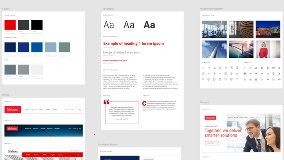
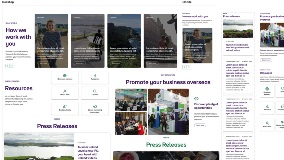
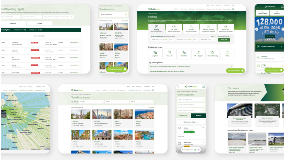
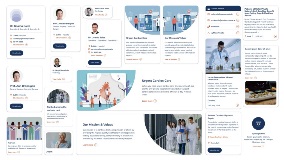
Supporting Electric Ireland using UX Design since 2011
Learn moreUX Design Solutions by Business Function
Our UX design services deliver measurable value across every part of your organisation, improving customer satisfaction, streamlining operations, and building a foundation for sustained growth.
UX design directly supports business goals by improving customer satisfaction, retention, and overall product success.
- Higher Customer Retention - Keep users engaged by offering a product they enjoy using.
- Increased Revenue - Boost sales by creating a user experience that drives conversions.
- Improved Product-Market Fit - Ensure the product meets market demands through user research and testing.
- Stronger Customer Loyalty - Build lasting relationships by providing consistent, positive experiences.
- Faster Market Adaptation - Quickly respond to market changes with agile, user-centred design processes.
UX design helps optimise resources, improve efficiency, and support long-term financial planning.
- Cost Reduction - Lower development costs by addressing potential issues early in the design phase.
- Improved ROI - Achieve a better return on investment by designing products users love.
- Efficient Resource Allocation - Focus on features that matter most to users to optimise resource use.
- Streamlined Operations - Enhance operational processes by aligning with user-centred design practices.
- Better Financial Planning - Predict and control costs with a structured, user-focused design approach.
UX design supports marketing efforts by aligning the product experience with customer expectations and promoting user-centred messaging.
- Enhanced Customer Insights - Gain a deeper understanding of user preferences and behaviours.
- Improved Campaign Performance - Use user experience insights to refine marketing strategies.
- Stronger Brand Identity - Reflect brand values through thoughtful and consistent design elements.
- Increased User Retention - Encourage return visits by delivering a positive, engaging experience.
- Optimised Content Strategies - Use UX research to create content that resonates with your target audience.
UX design provides a framework for building products that are both functional and user-friendly.
- Improved Product Usability - Ensure the product is easy to use and meets technical requirements.
- Early Issue Identification - Spot usability issues early in the design phase to reduce technical challenges later.
- Increased Efficiency - Streamline development with clear user-focused design specifications.
- Better User Feedback Integration - Continuously improve the product based on real user feedback.
- Reduced Technical Debt - Avoid costly redesigns by addressing user needs early in the process.
UX Design - FAQs, Deliverables & Glossary
What is UX Design at Arekibo?
We define UX Design as the practice of crafting digital products and services so that every interaction is intentional, intuitive, accessible, and aligned with both users' needs and your business goals. It covers research, information architecture, intuitive interaction design, and visual simplicity to create seamless, efficient experiences.
What services does Arekibo include under UX Design?
Our UX Design services typically involve user research, mapping customer needs and journeys, wireframing and prototyping, usability testing, and user interaction (IxD) design, while ensuring usability, accessibility, and alignment with our client's brand across devices and channels.
Who benefits from Arekibo's UX Design? What kinds of clients or projects?
We work across public services, financial services, travel and tourism, healthcare and life sciences, utilities, and education to create digital products and services where user experience, accessibility, and intuitive design matter. Whether you're launching new services or redesigning existing ones, we partner with your team to plan and design customer-first, scalable UX solutions.
Why is investing in UX Design important for my business?
A considered UX design process will improve customer satisfaction, reduce friction across your business, drive conversions and engagement, align your digital identity with your brand, and help to offer a competitive edge. Get in touch, and we will show you real examples where UX Design has moved the dial for our clients.
How does Arekibo approach designing for accessibility and inclusivity?
From the outset, we embed accessibility and inclusive-design principles into our UX process. This ensures our clients' digital products deliver a seamless experience for everyone. We design to WCAG 2.1 AA standards and test with assistive technologies to validate real-world usability.
What is the process when working with Arekibo's UX design team?
We begin by understanding your business needs and your end users' (customers, partners, employees) requirements. Then we map user journeys, define interaction flows, build wireframes and prototypes, iterate through testing and feedback, and refine until the UX is validated. The process is comprehensive, leaving no stone unturned to ensure risks are removed before development and launch.
Do you only design new products, or can you improve an existing site or app's UX?
We handle both. You might be starting a new project or wanting to improve and refine an existing product's user experience. Please review our client experience to learn more about our track record.
How do you ensure the design aligns with our brand identity?
We collaborate with your team to understand brand guidelines, visual identity, messaging, and user expectations, then integrate those into UX and UI design to ensure consistency, trust, and seamless brand experience across touchpoints. We also usually work with your brand or identity agency partners to ensure everyone is aligned.
How important is testing and user feedback in your UX process?
Very important, and always a recommended step. We use usability testing and other user research methods to validate assumptions, identify pain points and confusion, and refine interaction flows. This ensures designs work in practice, not just in theory. The benefits are significant and reduce unforeseen changes during development.
| Deliverable | Description | Best Used For |
| User Research & Insights | Stakeholder interviews, user interviews, surveys, and contextual inquiry findings were synthesised into actionable insights. | Building a deep understanding of user needs, behaviours, and pain points. |
| Customer Journey Maps | Visual representations of end-to-end user experiences across channels and touchpoints. | Identifying friction, opportunities, and moments that matter most to users. |
| Information Architecture | Sitemaps, content models, taxonomies, and navigation structures. | Organising content for findability, scalability, and intuitive user journeys. |
| Wireframes | Low- to mid-fidelity layouts showing structure, hierarchy, and content placement. | Early concept exploration, stakeholder alignment, and rapid iteration. |
| Interactive Prototypes | Clickable, high-fidelity models simulating the final product experience. | Realistic user testing, executive presentations, investor pitches. |
| Usability Test Reports | Documented findings, severity ratings, prioritised recommendations, and anonymised video clips. | Validating design decisions, uncovering friction points, and building stakeholder empathy. |
| Design Systems | Component libraries, style guides, and interaction pattern documentation. | Ensuring consistency across products, empowering faster development, and enabling scalability. |
| UX Roadmaps | Strategic plans outlining design phases, milestones, and alignment with delivery timelines. | Aligning UX activities with business priorities and development planning. |
User Experience (UX) Design - The process of designing products that provide meaningful and relevant experiences to users. This involves designing the end-to-end process for acquiring and integrating the product, including branding, design, usability, and functionality.
User Interface (UI) Design - The design of user interfaces for machines and software, focusing on maximising usability and the user experience. UI design typically refers to graphical user interfaces, but also includes others, such as voice-controlled interfaces.
Interaction Design (IxD) - The practice of designing interactive digital products and services to support the way people communicate and interact in their everyday and working lives. Focuses on the behaviour of systems and users.
User Research - The systematic study of target users and their requirements, to add realistic context and insights to the design process. Methods include interviews, surveys, contextual inquiry, and usability testing.
Information Architecture (IA) - The structural design of shared information environments; the art and science of organising and labelling websites, intranets, and online communities to support usability and findability.
Wireframe - A low-fidelity visual guide that represents the skeletal framework of a website or application, focusing on layout, content hierarchy, and functionality—not visual design.
Prototype - An early sample, model, or interactive simulation of a product built to test a concept, process, or functionality before full development.
Usability Testing - A research method where real users attempt to complete tasks using a product or prototype while observers watch, listen, and take notes. The goal is to identify usability problems and gather qualitative data.
Customer Journey Map - A visual representation of the process a user goes through to accomplish a goal with your product or service, across all channels and touchpoints.
Design System - A collection of reusable components, guided by clear standards, that can be assembled together to build any number of applications. Ensures consistency, efficiency, and scalability.
WCAG (Web Content Accessibility Guidelines) - Internationally recognised standards for making web content more accessible to people with disabilities. We design and test to the WCAG 2.2 AA level.
Accessibility - The practice of making websites and applications usable by as many people as possible, including those with disabilities, using assistive technologies such as screen readers, keyboard navigation, and voice control.
Ready to Create Exceptional Customer Experiences?
Let's discuss how our UX design expertise can help your business build intuitive, accessible, and engaging digital products that users love and that deliver measurable results.
Discover our open roles
Interested in being part of the team, take a look at some of our open roles.